How Interactive Entertainment Uses Anticipation Effectively
Modern interactive media thrives on its ability to hold user attention through sophisticated design principles rather than relying solely on immediate visual feedback. While fast-paced action keeps users responsive, the psychological tension built before a major event often determines long-term engagement levels. By shifting the developmental focus from instant gratification to calculated delays, modern software creators can establish profound emotional connections with their global audiences.
The Cognitive Mechanics of Delayed Rewards
Human psychology naturally responds to the thrill of what lies ahead, making the period of waiting highly stimulating for the brain. When a digital environment introduces a strategic pause before an outcome is revealed, it activates cognitive pathways associated with curiosity and hope. This psychological tension effectively transforms a simple mechanical interaction into a deeply memorable experience that encourages continuous participation.
Furthermore, these intentional delays help build a stronger sense of personal investment among diverse user groups. When outcomes are completely instantaneous, the lack of narrative build-up can lead to rapid cognitive fatigue and diminished satisfaction. Creating a balanced rhythm of suspense ensures that every minor milestone feels earned and meaningful to the participant.
Visual and Audio Cues in Tension Design
The successful implementation of anticipation relies heavily on structural framing and multi-sensory feedback within the software interface. Designers frequently utilize shifting color gradients, escalating sound frequencies, and subtle animations to signal that a significant occurrence is approaching. These interactive elements serve as environmental markers that naturally guide user focus toward upcoming cinematic reveals.
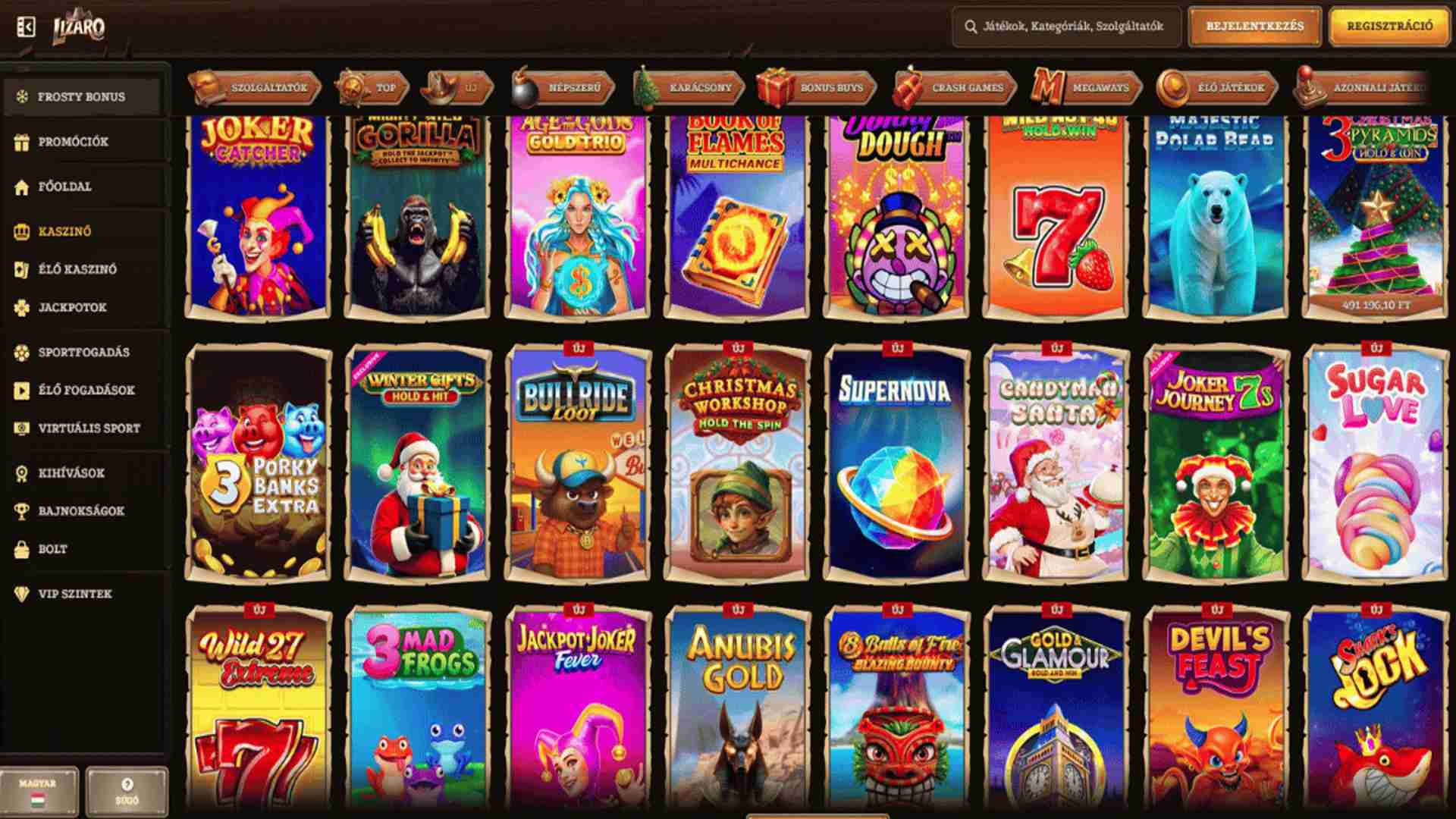
For instance, modern digital entertainment platforms carefully calibrate their reels and transition phases to optimize this exact feeling of suspense. Casual gaming systems, including popular options like m88 slot, rely on precise structural delays to heighten user alertness during routine play sessions. The deliberate deceleration of visual movement before a final result appears amplifies the emotional impact of the ultimate disclosure.
Democratizing the Active User Journey
Focusing on the journey toward a reward rather than just the payout helps establish an inclusive ecosystem for all participants. By prioritizing the structural buildup, platforms ensure that casual visitors remain fully entertained even during non-winning sessions. This approach shifts the core value of the interaction from purely material gains to comprehensive experiential entertainment.
When a digital community perceives that the suspense mechanics operate with absolute structural integrity, user confidence grows exponentially. This transparent design philosophy motivates individuals to interact with the environment regularly over extended periods. Ultimately, the shared excitement of the unknown turns a solitary media application into a vibrant social event.
Sustaining Engagement Through Creative Milestones
As interactive technology continues to evolve, development teams must discover novel methods to prevent their engagement loops from becoming formulaic. Implementing dynamic narrative structures and variable waiting durations keeps the interactive ecosystem feeling fresh and unpredictable. This ongoing variety prevents regular participants from developing rigid behavioral patterns that lead to boredom.
Ultimately, the true art of modern software design lies in balancing immediate interactive control with artistic uncertainty. Platforms that master this delicate harmony will consistently capture global attention while fostering authentic community loyalty. By treating anticipation as a primary feature rather than a secondary effect, creators build digital worlds that people love to revisit.